

R&D Analytical Services – Overview Brochure
April 21, 2026
Understanding Thermal Analysis in Lyophilization Development
July 20, 2026What to look for in a lyophilization CDMO partner
A practical checklist for evaluating capability, spotting red flags and asking the right questions before you choose a CDMO

Choosing a CDMO partner for your lyo processing is more than a question of available capacity. In lyophilization, early development decisions can affect stability, scale-up and technology transfer, so the right partner needs to offer more than equipment alone.
Lyophilization (aka freeze-drying) is a process that removes moisture from a product under low pressure and sub-zero temperatures, converting it to a stable dry state. It is widely used in pharmaceuticals and diagnostics because it extends shelf life, eliminates cold-chain storage requirements and preserves the biological activity of sensitive materials - from proteins and antibodies to enzymes, PCR master mixes and rapid test reagents. Done well, it can reduce storage costs by up to 80% and cut production costs by 60%.
Start with scientific capability
 A lyophilization focused CDMO partner should be assessed on scientific capability before equipment list. What matters more than freeze-dryer capacity is whether the team can understand the formulation, interpret the data correctly and use that insight to guide development.
This includes the ability to characterize product behavior, identify critical risks and make decisions based on evidence rather than assumption. In diagnostics, this is especially consequential: enzyme stability, bead morphology and reagent reconstitution performance are all closely tied to formulation choices made early in development. Recovery from a misstep at that stage can significantly impact your time and budget.
Lyophilization is highly product specific. A process that appears workable at first may become problematic later if it has not been developed with sufficient scientific understanding or is used with a changed formula. The right partner should therefore bring flexibility, experience and processing expertise to take your product from feasibility studies, through R&D and on to commercial production.
What capabilities should be on your checklist?
When assessing a lyophilization CDMO partner, look for evidence that they can support the full technical journey. Key capabilities include:
- Formulation assessment and development
- Analytical testing to characterize product behavior
- Cycle development based on data, not trial and error
- Troubleshooting when results are inconsistent or unstable
- Scale-up and technical transfer support
- Small-batch or pilot production capability where needed
- Quality systems appropriate to the product and stage of development
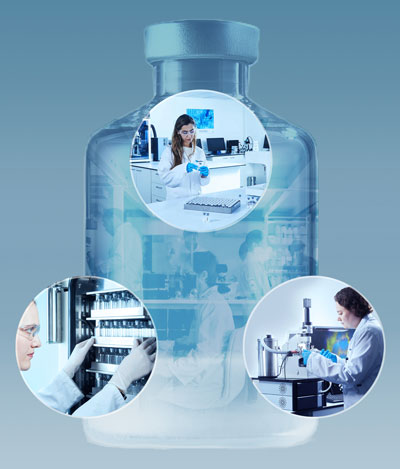 For diagnostics companies in particular, a strong diagnostic CDMO should be able to support formulation development, cycle development, troubleshooting, scale-up and technical transfer as part of a connected program. The key is not just whether these capabilities exist, but whether they are joined up: a strong lyophilization partner should be able to explain how formulation, analytics, cycle design and transfer planning work together to reduce risk and support a robust process.
Questions to ask a prospective CDMO
Asking the right questions can reveal far more than a capability list alone. Rather than asking only what services a partner offers, it is better to ask how they approach development and who will be responsible for key decisions.
Useful questions include:
- How do you assess a formulation before cycle development begins?
- What analytical methods do you use to characterize product behavior?
- How do you define process limits?
- How do you approach scale-up and technical transfer?
- Who provides scientific oversight throughout the project?
A potential partner should respond clearly, explain their reasoning and show that their approach is grounded in data and experience rather than general familiarity with the process.
Why scientific leadership matters
In a lyophilization CDMO, years of experience mean little if senior scientists aren't actively shaping the work. Their role is to interpret data properly, challenge assumptions early and guide decisions that will still hold up at scale.
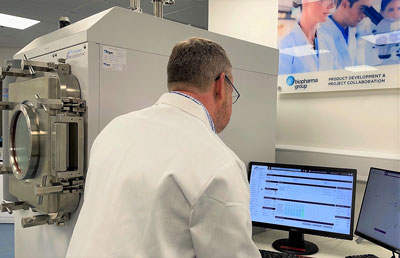 This matters because small differences in formulation or behavior can affect cycle design, stability and transferability. A partner with strong scientific leadership is best placed to recognize risks early and keep development on track. One useful indicator is whether a company publishes technically grounded articles and resources on lyophilization that reflect genuine scientific depth rather than surface-level marketing content.
Choosing with confidence
The best lyophilization partner is an expert partner who can combine analytical understanding, practical development experience and scientific judgment to support a robust process from the outset.
For teams reviewing potential partners, an early discussion contract manufacturing support can help clarify whether a provider offers the scientific and operational capability needed from development through to transfer.
What to watch out for
When a provider talks mainly about equipment and capacity but says little about scientific method, or gives vague answers to technical questions, this can indicate a lack of experience and/or expertise on the scientific process of lyophilization.
If a potential partner cannot clearly explain how they assess product behavior, define process limits or approach scale-up, that should raise concern. The same applies if development is presented as largely trial and error, with limited analytical input behind decisions.
Ready to find the right partner? Schedule a 30-minute technical consultation with our lyophilization specialists to discuss your program and get a clear picture of what development support you will need, from formulation and cycle design through to scale-up and transfer. Contact the BTLLC team to get started.
Key considerations for choosing your lyophilization partner
How do you evaluate a lyophilization partner?
Assess scientific capability, analytical support, development experience, scale-up planning and senior scientific oversight.
What capabilities should a lyophilization CDMO offer?
Look for formulation assessment, analytical testing, cycle development, troubleshooting, scale-up and technical transfer support.
What are the warning signs when choosing a lyophilization partner?
Red flags include a focus on equipment alone, vague technical answers, limited analytics and weak senior scientific involvement.
What questions should you ask a prospective lyophilization CDMO?
Ask how they assess product behavior, define process limits, support scale-up and provide scientific oversight.
Why is scientific leadership important in lyophilization?
Because lyophilization R&D and production is product-specific and decisions made early can affect robustness, stability and transfer.